
Articles
Fishy business
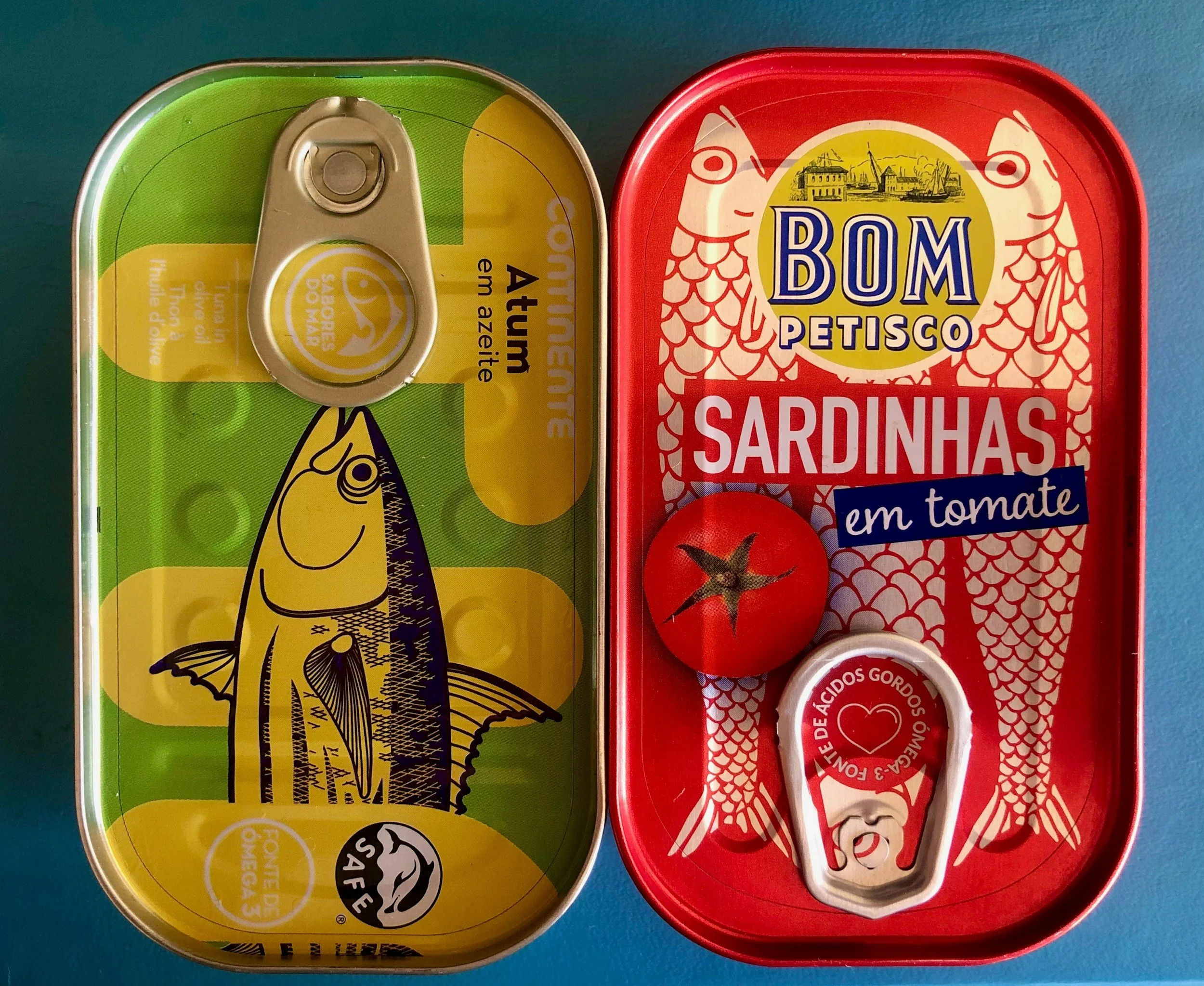
Long chain omega-3 fatty acids are the technical term for what we usually just call fish oil. Fish are more than just their oil of course and “fish oil” can be found beyond fish. Regardless, there’s now little doubt that long chain omega-3 can benefit our heart and brain and its importance in pregnancy and early life is also an area of active investigation. Let’s look at how we can reap its benefits in our lives.
Long chain omega-3 supplements (fish and algae)
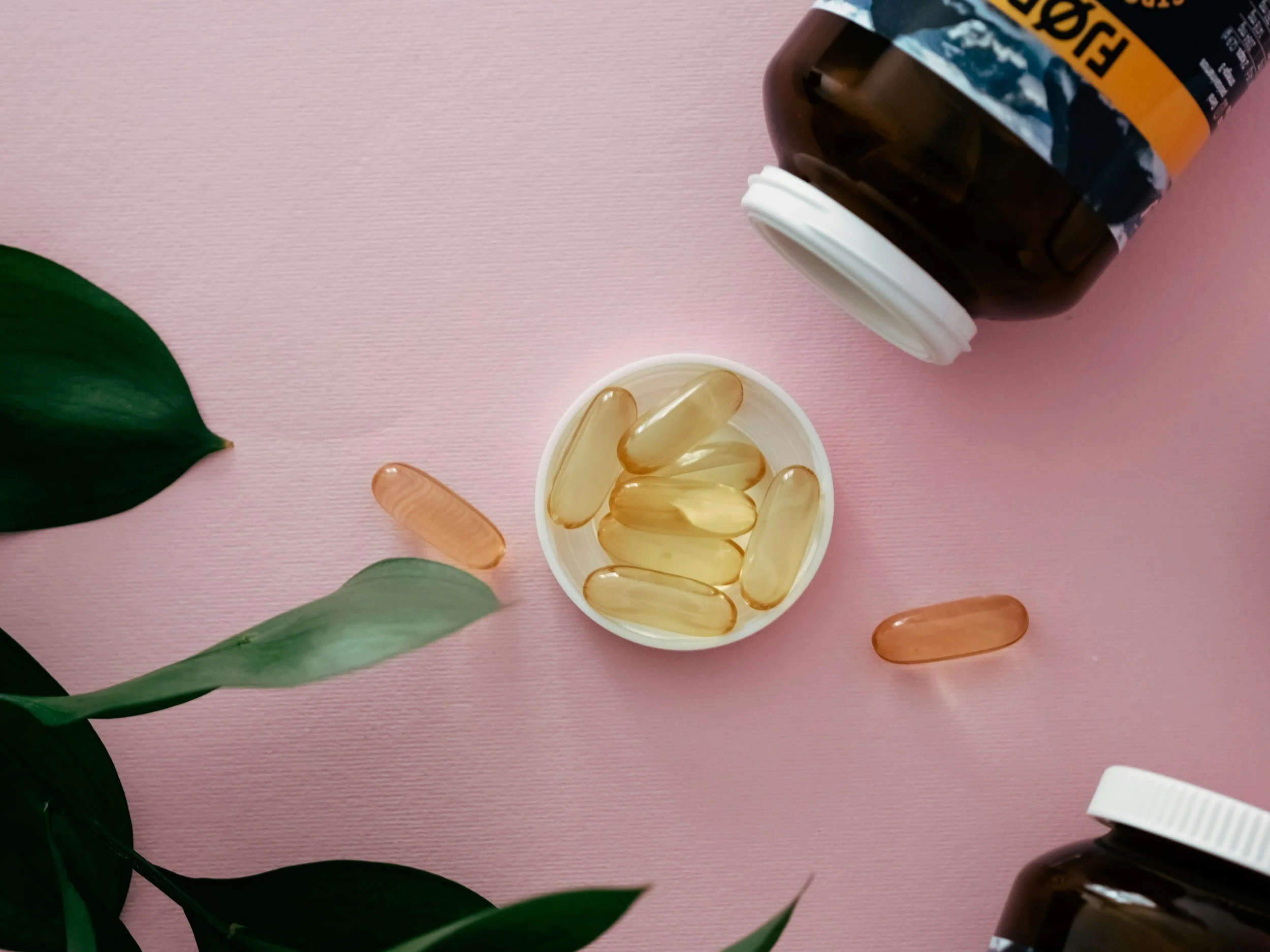
Australian listed fish and algal oil long chain omega-3 supplements.

Seed oils are your friend!
The interweb has declared seed oils are the baddest of the bad. They are presented variously as inflammatory and the cause of chronic disease; as interfering with omega 3 status; as contaminated with toxic processing chemicals; and as emitting poisons when heated which will kill you. If you live in the modern world, these claims have probably crossed your radar and are subject to very little mainstream pushback. And they should be as they’re largely false. This article looks at the pros (and they’re substantial) and cons of seed oils.

# Weight loss drugs
It’s a miracle! The holy grail of weight loss has been discovered! Years of struggle and self-recrimination have been replaced by substantial and relatively effortless weight loss. And while there’s no shortage of scary side effect clickbait, actually, serious side effects are rare, while there’s data supporting several benefits beyond those for diabetes and weight loss. However, there are a couple of hurdles. Firstly, the cost and secondly that they’re for the long term. Here we sift fact from fiction and look at what these drugs can achieve.

Magnesium - for if you’re not sick but not quite well
Magnesium is a hard worker. Low grade underconsumption is common in diets lacking whole plant foods. So, if you aren’t tip top but can’t put your finger on why, you should consider whether magnesium might be an issue.

Vitamin K. Special K
Vitamin K is possibly the least discussed vitamin. It sits off to the side, absent from nutrition panels and with a weird name, so no one ever thinks much about it unless they have a blood clot or rat bait poisoning. But behind the scenes, research has been finding vitamin K is valuable beyond blood clotting, possibly protecting against against cardiovascular disease, dementia, diabetes and osteoporosis.
Vitamin D - the sunshine vitamin
Australia is one big solar panel but more than one in five of us is vitamin D deficient. Who cares? You should. Let’s find out what vitamin D does - it’s about more than just bones - and how we can be grown ups and meet our vitamin D needs, while looking after our skin.

Calcium - lifting the veil
Calcium is undeniably important for bone strength but it’s not the only show in town. How much we need is contested but, in any case very few Australian adults get anywhere the recommendations. Certainly, for women at least, it’s not for want of lifelong pressure to consume more calcium. So, should we try harder? Admit defeat and supplement? Or a bit of both? This one is complex but, by the end, I hope you feel you’ve replaced your chronic low-grade calcium guilt with a plan.

The Lancet’s 14 risk factors for Dementia
The Lancet has published its latest report on risk factors for dementia. It’s a fascinating read. Here we briefly look at the role of nutrition in moderating dementia risk.

Strong Bones for Life
Here we look at the bigger bone health picture and some lesser known lifestyle and nutrition factors. The following four articles will look at the most well researched protective nutrients: calcium, vitamin D, vitamin K and magnesium.
Fermented foods and why you should eat more of them
Fermented foods and drinks that rarest of finds: something that’s really good for you and enjoyable too.

Postbiotics - the new, new thing in gut health
Postbiotics? They’re the new, new thing and they’re going to be everywhere. Let’s learn what they are and what they do.

Probiotics - some substance beyond the marketing
With the global probiotic market worth billions it’s not surprising that probiotics are everywhere in everything.
While probiotic marketing greatly foreruns the evidence, they’re easy and safe and, in some cases, can be very effective. Here we look at how they might be able to help you.

Prebiotics: what, how, why & which
Prebiotics and synbiotics: what they are and what they do.

Your frenemy alcohol
The festive season is on us, which is a significant religious holiday of course. But also: bottoms up! In December, Australians drink 70% more than the their average intake over the other 11 months of the year. And the rest of the Summer (and most of Autumn) is one long jolly as well. We know heavy drinking is unwise but what are the health effects of light drinking? And are they the same for everyone? Let’s find out.

A (very) simple nutrition study explainer
A brief explainer of some research terms and some of the difficulties in conducting nutrition trials.

Dietary Fibre: more than a moving story
Dietary fibre is perhaps the most under consumed nutrient in the modern world but we tend not to give it much thought.. You may think fibre is very interesting but let’s see what we’re missing out on.

It keeps changing…just tell me what I should eat to lose weight!
Let’s look at some macro ranges which will help you manage your appetite and weight long term.

Five reasons ChatGPT can’t always do the job
If you haven’t yet partaken of the Eden-esque resources of ChatGPT and experienced the limitless and instantaneous knowledge it can provide, then I guarantee you soon will.
So what can CAYA Nutrition provide that you can’t get more quickly and cheaply online? That’s a good one. Let’s find out.

Losing weight for good - let’s get real
Stop berating yourself for your weight. The nexus of biology and a free market drives most adults in developed countries (and increasingly those in less developed countries) to be overweight and most can’t lose it for very long even when they try (though possibly with long term GLP-1 agonist drugs). Carrying excess weight carries health risks but we need to play the hand we’re dealt. Here we examine our options.
Have an article suggestion? Why not let us know.